The human resources landscape has undergone a seismic shift in recent years, with artificial intelligence emerging as the driving force behind the most significant transformation the industry has witnessed since the advent of digital recruiting platforms. As we navigate through 2025, HR professionals find themselves at the intersection of traditional people-focused practices and cutting-edge technology that promises to revolutionize how organizations attract, evaluate, and hire talent.
This transformation isn’t merely about adopting new tools—it represents a fundamental reimagining of HR processes, workflows, and strategic approaches to talent management. From automated resume screening and predictive analytics to AI-powered candidate matching and intelligent interview systems, artificial intelligence has become the cornerstone of modern HR operations, enabling organizations to make more informed decisions while dramatically improving efficiency and candidate experience.
The AI-Driven Evolution of HR: A New Era of Intelligent Workforce Management
The integration of artificial intelligence into HR processes has created unprecedented opportunities for organizations to optimize their talent acquisition and management strategies. This shift has been accelerated by several converging factors that have reshaped the modern workplace and redefined employer-employee relationships.
The Catalyst for Change
The labor market dynamics of the 2020s have created a perfect storm that necessitated the adoption of AI-driven HR solutions. The Great Resignation, followed by quiet quitting trends and the emergence of remote-first work cultures, has fundamentally altered how organizations approach talent acquisition and retention. Traditional HR methods, which relied heavily on manual processes and intuition-based decision making, proved inadequate for navigating these complex challenges.
Simultaneously, the explosion of available talent data—from social media profiles and online portfolios to detailed work histories and skill assessments—created both opportunities and overwhelming complexity for HR professionals. The sheer volume of information available about potential candidates made it impossible for human recruiters to process and analyze effectively without technological assistance.
The Skills Gap Crisis
Perhaps nowhere is the need for AI-driven HR solutions more evident than in addressing the persistent skills gap that continues to challenge organizations across industries. As technological advancement accelerates, the half-life of specific skills continues to shrink, creating a dynamic environment where traditional hiring criteria and assessment methods quickly become obsolete.
AI-powered HR systems excel at identifying transferable skills, predicting learning potential, and matching candidates based on competency frameworks rather than just experience and credentials. This capability has become essential for organizations seeking to build adaptable, future-ready teams in an era of constant technological evolution.
Data-Driven Decision Making
The modern HR function has evolved from an administrative support role to a strategic business partner, and this transformation demands sophisticated data analysis capabilities that only AI can provide. Organizations now expect HR teams to deliver insights on hiring effectiveness, retention predictions, performance correlations, and workforce planning that would be impossible to generate through manual analysis.
AI systems can process vast amounts of historical hiring data, performance metrics, and external market information to identify patterns and trends that inform strategic decisions. This data-driven approach has proven essential for organizations seeking to optimize their talent strategies and demonstrate measurable ROI from their HR investments.
The Hiring Revolution: Where AI Makes the Greatest Impact
While artificial intelligence has touched virtually every aspect of human resources, its most transformative impact has been felt in the hiring and recruitment process. This critical function, which serves as the gateway for all talent entering an organization, has been completely reimagined through the application of AI technologies.
The Traditional Hiring Challenge
Before AI intervention, the typical hiring process was characterized by significant inefficiencies, bias-prone decision making, and poor candidate experiences. Recruiters spent countless hours manually reviewing resumes, conducting initial phone screens, and attempting to assess candidate fit through subjective evaluation methods that often missed top talent while advancing less suitable candidates.
The time-to-hire for quality candidates stretched for weeks or months, during which top performers were often lost to more agile competitors. Meanwhile, the candidate experience suffered as applicants faced long delays, inconsistent communication, and evaluation processes that failed to showcase their true potential or align with their career aspirations.
The Volume Problem
Modern organizations often receive hundreds or thousands of applications for popular positions, creating an overwhelming workload for HR teams that traditional methods simply cannot handle effectively. Manual resume screening, even when augmented by basic keyword filtering, proved inadequate for identifying the most promising candidates while maintaining reasonable processing times.
This volume challenge was particularly acute for organizations experiencing rapid growth, seasonal hiring spikes, or operating in competitive talent markets where speed of response directly correlates with hiring success. The need for scalable, consistent, and efficient screening processes became a critical business requirement rather than a nice-to-have optimization.
The Bias and Consistency Challenge
Human bias in hiring decisions, while often unintentional, represents one of the most significant challenges facing modern organizations. Research has consistently demonstrated that traditional hiring processes are susceptible to various forms of unconscious bias that can result in homogeneous teams, missed opportunities for diverse talent, and potential legal compliance issues.
AI-driven hiring systems, when properly designed and implemented, can significantly reduce these bias-related challenges by focusing on objective criteria, standardized evaluation processes, and data-driven decision making that removes subjective human judgment from initial screening stages.
Introducing AI Phone Screener by Hyring: The Next Generation of Intelligent Recruitment
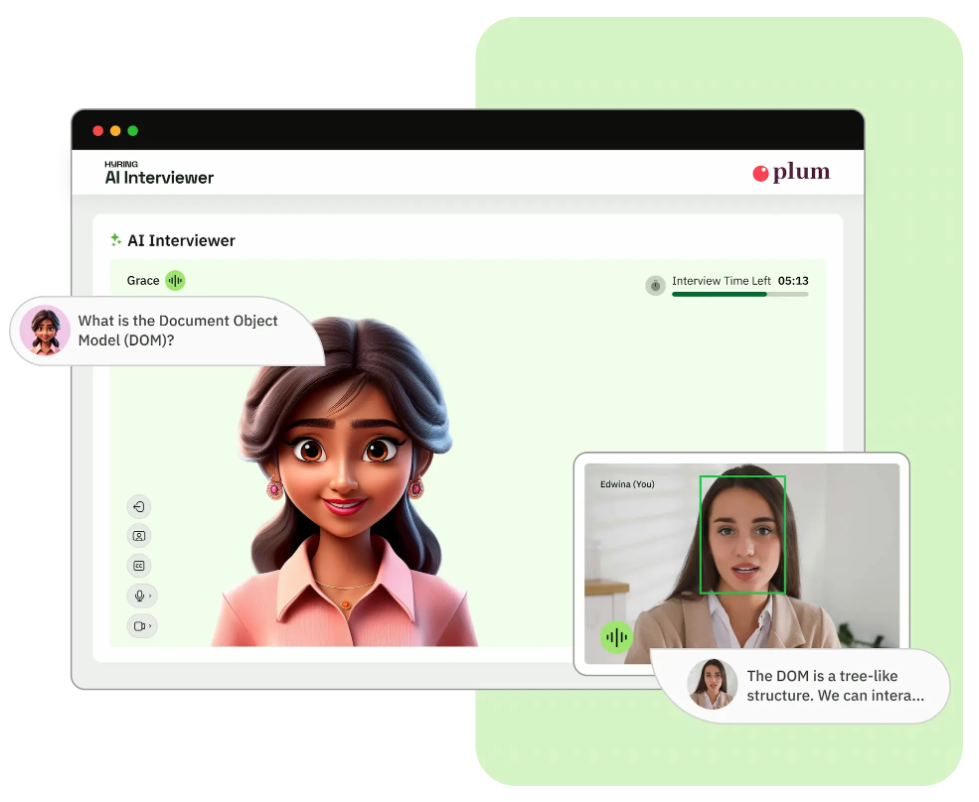
Against this backdrop of industry transformation and hiring challenges, Hyring’s AI Phone Screener emerges as a groundbreaking solution that addresses the core pain points facing modern HR professionals. This innovative tool represents the convergence of advanced artificial intelligence, natural language processing, and deep understanding of recruitment best practices into a comprehensive system that revolutionizes the initial candidate screening process.
The Technology Behind the Innovation
AI Phone Screener leverages sophisticated natural language processing algorithms and machine learning models trained on thousands of successful hiring conversations to conduct intelligent, conversational phone interviews with candidates. Unlike rigid, script-based automated systems, this AI solution adapts its questioning style, pace, and focus areas based on real-time analysis of candidate responses and the specific requirements of each position.
The system’s ability to understand context, interpret subtle communication cues, and maintain natural conversational flow creates an experience that many candidates find more engaging and less stressful than traditional phone screens with human recruiters. This technological sophistication enables the AI to gather comprehensive information about candidate qualifications, motivations, and cultural fit while maintaining a positive candidate experience throughout the interaction.
Seamless Integration with Existing Workflows
One of the most impressive aspects of Hyring’s AI Phone Screener is its ability to integrate seamlessly with existing HR technology stacks and workflows. The system connects with popular applicant tracking systems, calendar management tools, and communication platforms, ensuring that AI-powered screening becomes a natural extension of current processes rather than a disruptive replacement.
This integration capability means that HR teams can implement AI Phone Screener without overhauling their existing systems or requiring extensive retraining of staff members. The AI system becomes a powerful addition that enhances current capabilities while maintaining familiar workflows and reporting structures.
Comprehensive Benefits Analysis: How AI Phone Screener Transforms Recruitment
Dramatic Time and Cost Savings
The most immediately apparent benefit of implementing AI Phone Screener is the substantial reduction in time and cost associated with initial candidate screening. Traditional phone screens typically require 30-45 minutes of recruiter time per candidate, plus additional time for scheduling, note-taking, and follow-up activities. When multiplied across dozens or hundreds of candidates for each position, this represents a massive resource investment.
AI Phone Screener can conduct these initial conversations simultaneously with multiple candidates, operating 24/7 without breaks, vacation time, or scheduling constraints. This capability allows organizations to screen significantly more candidates in a fraction of the time, while freeing human recruiters to focus on higher-value activities such as building relationships with top candidates and strategic workforce planning.
The cost implications extend beyond direct labor savings to include reduced time-to-hire, improved hiring manager satisfaction, and decreased likelihood of making expensive bad hires due to inadequate screening processes.
Enhanced Candidate Experience and Accessibility
Modern candidates expect responsive, efficient, and respectful treatment throughout the hiring process. AI Phone Screener delivers on these expectations by offering immediate responsiveness, consistent professional interaction, and flexible scheduling that accommodates candidates’ availability preferences.
The AI system eliminates common frustrations such as scheduling delays, missed calls, rescheduling complications, and inconsistent interviewer preparation. Candidates receive the same high-quality screening experience regardless of when they apply or which recruiter would traditionally handle their case.
Additionally, the AI system can accommodate different communication styles, languages, and accessibility needs more effectively than human screeners, creating a more inclusive hiring process that captures diverse talent that might otherwise be overlooked.
Consistent and Objective Evaluation
Perhaps the most significant long-term benefit of AI Phone Screener is its ability to provide consistent, objective candidate evaluation that eliminates many sources of bias and subjective judgment that can compromise hiring decisions. The AI system evaluates all candidates using the same criteria, asks similar questions across similar roles, and maintains detailed records of all interactions for review and analysis.
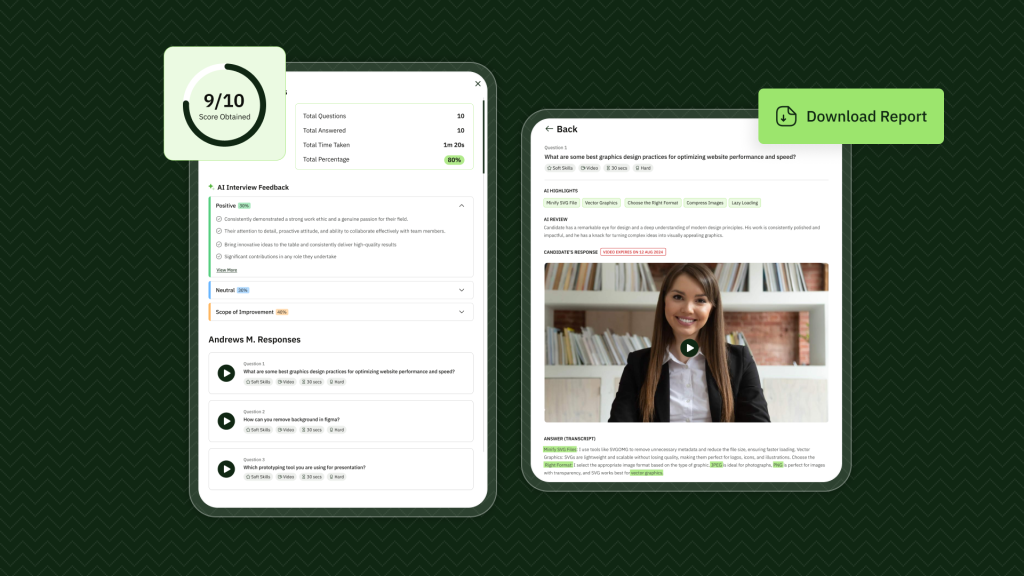
This consistency enables more effective comparison between candidates and provides hiring managers with reliable, standardized information to support their decision-making processes. The objective nature of AI evaluation also supports compliance with equal opportunity employment requirements and reduces legal risks associated with discriminatory hiring practices.
Advanced Analytics and Insights
Beyond individual candidate screening, AI Phone Screener generates valuable analytics and insights that help organizations optimize their overall hiring strategies. The system tracks conversation patterns, identifies successful candidate characteristics, and provides recommendations for improving job descriptions, screening criteria, and overall recruitment approaches.
These insights enable continuous improvement of hiring processes and help organizations adapt their strategies based on real data rather than assumptions or limited anecdotal evidence. Over time, this data-driven approach leads to increasingly effective hiring outcomes and better alignment between candidate characteristics and organizational success factors.
Scalability and Flexibility
AI Phone Screener provides unprecedented scalability that allows organizations to handle hiring volume fluctuations without proportional increases in HR staff or resources. Whether screening for a single specialized position or managing large-scale hiring initiatives, the AI system maintains consistent quality and efficiency regardless of volume.
This scalability is particularly valuable for organizations with seasonal hiring needs, rapid growth trajectories, or those operating in dynamic markets where hiring requirements can change quickly. The flexibility to adjust screening criteria, customize conversation flows, and integrate with different workflow requirements ensures that the system remains valuable as organizational needs evolve.
Real-World Implementation and Results
Organizations that have implemented AI Phone Screener report significant improvements across multiple metrics that matter most to hiring success. Time-to-hire reductions of 40-60% are common, with some organizations achieving even greater improvements for high-volume positions or roles with clearly defined qualification criteria.
Quality of hire improvements are equally impressive, with many organizations reporting better candidate-role fit, improved retention rates, and higher hiring manager satisfaction scores. The consistent screening process helps identify candidates who might be overlooked in traditional processes while filtering out those who appear qualified on paper but lack essential skills or cultural alignment.
Cost savings extend beyond direct labor reductions to include decreased advertising spend due to more efficient candidate utilization, reduced hiring manager time investment, and lower turnover costs associated with better hiring decisions.
Strategic Considerations for Implementation
Integration Planning
Successful implementation of AI Phone Screener requires thoughtful integration planning that considers existing systems, workflows, and organizational culture. The most effective deployments begin with pilot programs focused on specific roles or departments, allowing organizations to refine their approach before broader rollout.
Integration with existing applicant tracking systems, communication platforms, and reporting tools should be planned carefully to ensure seamless data flow and minimal disruption to current processes. Training for HR staff, hiring managers, and other stakeholders ensures that everyone understands how to leverage the AI system’s capabilities effectively.
Customization and Optimization
While AI Phone Screener provides powerful out-of-the-box functionality, organizations achieve the best results through careful customization that aligns the system with their specific hiring criteria, company culture, and role requirements. This customization process should involve collaboration between HR professionals, hiring managers, and technical staff to ensure optimal configuration.
Ongoing optimization based on performance data and feedback ensures that the system continues to improve over time and adapts to changing organizational needs and market conditions.
The Future of AI-Powered Recruitment
As artificial intelligence continues to evolve, tools like Hyring’s AI Phone Screener represent just the beginning of a broader transformation in how organizations approach talent acquisition and management. The integration of AI into recruitment processes is creating opportunities for more strategic, data-driven, and effective hiring that benefits both organizations and candidates.
The success of AI Phone Screener demonstrates that artificial intelligence can enhance rather than replace human judgment in hiring decisions, providing better information and more efficient processes that enable HR professionals to focus on the strategic and relationship-building aspects of their roles that require uniquely human capabilities.
Conclusion: Embracing the AI Advantage in Modern Recruitment
The adoption of AI-powered tools like Hyring’s AI Phone Screener represents more than a technological upgrade—it signifies a strategic commitment to building more effective, efficient, and equitable hiring processes that serve the needs of modern organizations and candidates alike.
For HR professionals and organizational leaders seeking to stay competitive in today’s dynamic talent market, the question is not whether to adopt AI-powered recruitment tools, but how quickly and effectively they can be integrated into existing processes. AI Phone Screener provides a proven, accessible entry point into AI-enhanced hiring that delivers immediate benefits while building the foundation for continued innovation in talent acquisition.
The organizations that embrace these technological advances today will be best positioned to attract, evaluate, and hire the talent they need to succeed in an increasingly competitive and rapidly evolving business environment. In the race for top talent, AI Phone Screener by Hyring offers a significant competitive advantage that transforms recruitment from a resource-intensive necessity into a strategic differentiator that drives organizational success.