Artificial Intelligence has come a long way in just a few short years. From chatbots that can answer FAQs to large language models that can write code and poetry, the space is evolving rapidly. One tool that’s been making quiet but impressive waves is Claude, developed by Anthropic.
In this article, I’ll walk through what Claude is, how it compares to other AI tools like ChatGPT, what real users are saying, and who Claude might be best suited for. Whether you’re exploring AI for work, creativity, or personal productivity, you’ll want to know about this one.
What Is Claude?
Claude is a family of AI assistants developed by Anthropic, a company founded by former OpenAI researchers. Its name is inspired by Claude Shannon, the father of information theory.
Like OpenAI’s ChatGPT or Google’s Gemini, Claude is a conversational AI model. It can generate text, answer questions, assist with writing, interpret data, draft code, and even role-play scenarios. What sets it apart, though, is Anthropic’s emphasis on safety, helpfulness, and honesty—three pillars they refer to as “Constitutional AI.”
That might sound abstract, but in practice, Claude tends to feel more emotionally intelligent, more careful with tone, and more aware of ethical boundaries than many of its peers.
First Impressions: A More Empathetic AI?
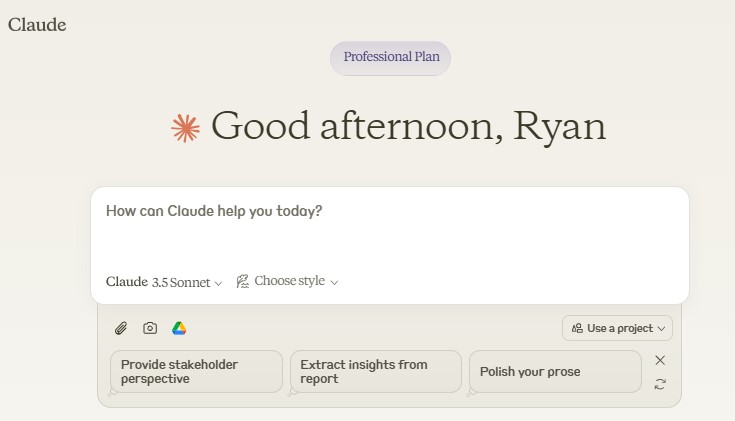
Claude’s interface is clean and focused, with less emphasis on flashy features and more on thoughtful interaction. While it’s capable of technical tasks, it shines most in:
- Long-form writing support (e.g., essays, articles, creative stories)
- Summarizing and analyzing complex content
- Thoughtful dialogue and brainstorming
Users often describe Claude as “more human” in tone. It’s polite without sounding robotic, and candid without being overconfident. In my own experience, Claude was particularly good at asking clarifying questions before jumping into a task—something many AI tools struggle with.
Key Features and What Makes Claude Unique
- Natural, Thoughtful Responses
- Claude tends to avoid hallucination (AI misinformation) better than many of its competitors. When it doesn’t know something, it often says so, instead of bluffing.
- High Context Window
- Claude 3 (the latest model as of mid-2025) can handle huge context lengths—up to 200,000 tokens, which is ideal for summarizing long PDFs, legal documents, or books.
- Safety-Centric Design
- Anthropic trains Claude using a “constitution” of values and principles. While not infallible, it results in a model that is more likely to handle sensitive queries with care.
- Multi-Turn Memory
- Claude remembers parts of previous conversations in a subtle, non-invasive way—especially helpful for users who interact frequently or are working on long-term projects.
Claude vs. ChatGPT: How Do They Compare?
Both Claude and ChatGPT are leading-edge tools, but their personalities and priorities differ. Here’s a quick breakdown:
| Feature | Claude | ChatGPT |
|---|---|---|
| Tone | Reflective, empathetic | Confident, concise |
| Context Limit | Up to 200K tokens | 32K for GPT-4-turbo |
| Honesty Filter | Will admit uncertainty | May “guess” more often |
| Writing Support | Great at nuance and longform | Faster, often snappier |
| Coding Ability | Good, but not industry-best | Excellent with GPT-4.5 |
If you’re a researcher, writer, or someone who values thoughtful dialogue, Claude might be your favorite. If you’re looking for code generation or rapid ideation, you may still lean on ChatGPT or Gemini.
What Users Are Saying
Here are some real user reviews from Claude fans (edited lightly for clarity):
“Claude feels like talking to someone who really listens. I use it to plan my week, draft my newsletter, and even unpack emotional dilemmas.”
– Leah M., Freelance Writer
“I’ve used ChatGPT, Gemini, and now Claude. Claude is slower sometimes, but the depth is real. It feels less like a chatbot and more like a conversation partner.”
– Martin L., UX Designer
“I fed Claude a 150-page technical document and it summarized it flawlessly in under 2 minutes. That context window is a game-changer.”
– Ravi K., AI Consultant
Not everyone prefers Claude. Some users mention it’s a bit too cautious, especially when discussing edgy or controversial topics. But for those who value ethical AI and a softer tone, it’s a strong contender.
Use Cases: Who Is Claude For?
Claude is versatile, but there are clear use cases where it truly shines:
✅ Writers and Journalists
Its nuanced understanding of tone, structure, and context makes it a powerful writing assistant.
✅ Educators and Students
Claude’s patience and clarity are ideal for explaining concepts, helping with research, and reviewing drafts.
✅ Business Professionals
From summarizing lengthy reports to brainstorming strategy decks, Claude can act as a reliable co-pilot.
✅ Therapists and Coaches
Some professionals use Claude to test counseling scripts, role-play conversations, or simulate decision-making exercises.
Tips for Getting the Most from Claude
If you’re just starting out with Claude, here are a few tips to maximize your experience:
- Be specific: Claude works best when your prompt is clear and detailed.
- Use follow-ups: It’s great with context, so continue the conversation rather than restarting.
- Experiment with roles: Try prompts like “act as a UX researcher” or “pretend you’re an executive coach.”
- Feed it documents: If you have Claude Pro or Claude Team, try uploading long files to see how it handles summarization.
Pricing: Is Claude Free?
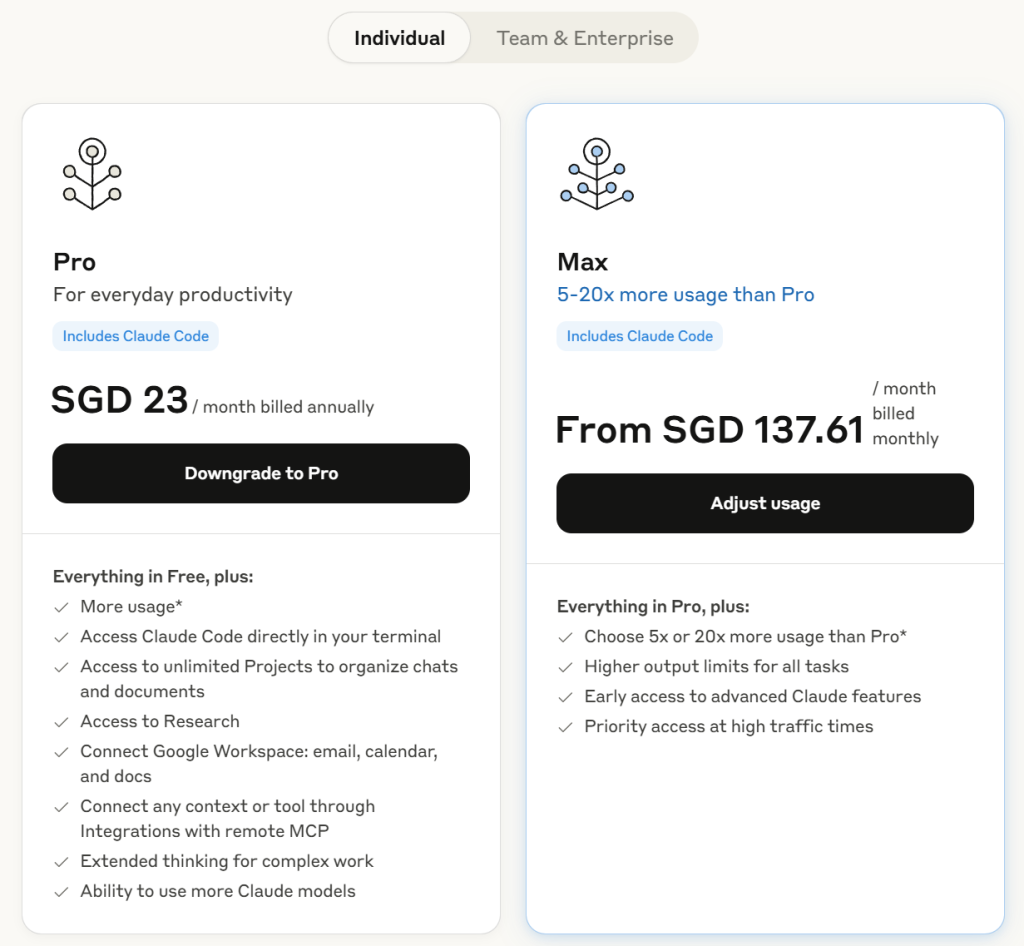
As of writing this, Claude offers:
- A free tier with Claude 3 Sonnet (a mid-tier model)
- Claude Pro for $20/month (offers Claude 3 Opus—Anthropic’s most powerful model)
- Claude Team for businesses, with collaboration features
You don’t need a subscription to try it out, and many users find the free version more than sufficient for day-to-day use.
Final Thoughts: Should You Try Claude?
Claude doesn’t scream for your attention—but it earns it. In a sea of AI tools that try to impress with speed or gimmicks, Claude wins by building trust. It’s not the flashiest, but it might be the most human.
For those of us who value deep thinking, careful communication, and respectful dialogue with our AI tools, Claude is more than worth a try.
Give it a go—you might find your new favorite thinking partner.