The great remote work experiment has concluded, and the results are definitive: distance doesn’t diminish productivity—it transforms it. Stanford’s groundbreaking study of 1,600 hybrid workers revealed zero productivity loss compared to office workers, with quit rates dropping by 33%. The productivity question has been answered; the optimization question remains. How do you thrive professionally while working from your kitchen table, bedroom office, or neighborhood café?
Remote work mastery begins with understanding that your environment shapes your energy, focus, and professional identity. Jennifer, a senior project manager, initially tried working from her couch, believing comfort equaled productivity. Within weeks, she found herself struggling to maintain professional boundaries, checking personal social media during work hours, and feeling perpetually “on” without clear transitions between work and life. Everything changed when she invested in a dedicated workspace with proper ergonomics, professional lighting, and physical boundaries that signaled “work mode” to both her brain and her family.
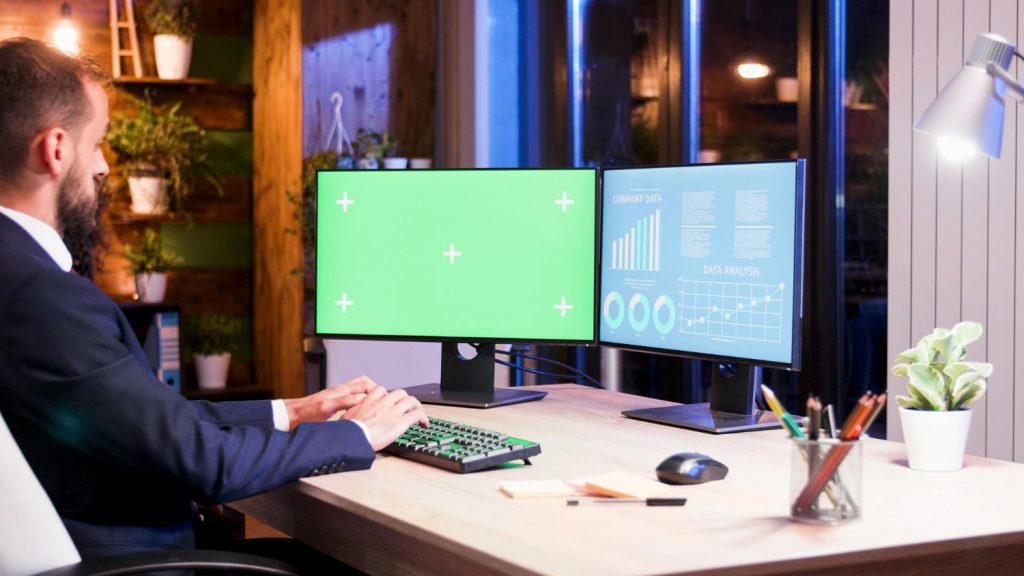
Creating an optimal home office environment requires strategic investment in equipment that pays dividends through reduced fatigue and increased focus. Essential components include an adjustable standing desk that accommodates different tasks and energy levels, an ergonomic chair with proper lumbar support for long work sessions, and dual monitors for efficient multitasking without constant window switching. Herman Miller and Steelcase offer research-backed ergonomic solutions for those prioritizing long-term health, while budget-conscious professionals find excellent alternatives from IKEA and Autonomous that deliver 80% of the benefits at 30% of the cost.
The positioning details matter more than most realize. Monitors should sit at eye level to prevent neck strain, with the top of the screen at or slightly below eye level. Bias lighting—LED strips behind monitors—reduces eye strain during extended screen time. Proper monitor distance (arm’s length) and angle (slight backward tilt) prevent the forward head posture that creates tension headaches. These seemingly minor adjustments compound into significant energy savings throughout long work days.
Digital fatigue, particularly the phenomenon dubbed “Zoom fatigue,” affects 26% of frequent video conference users according to Stanford research. The psychological causes include excessive eye contact intensity, constant self-view creating self-consciousness, reduced mobility during calls, and increased cognitive load from interpreting non-verbal cues through screens. Combat these challenges through strategic adjustments: use speaker view instead of gallery view to reduce visual overwhelm, hide self-view after confirming your video setup, position cameras at eye level using laptop stands, and most importantly, limit video calls to 30-50 minutes maximum since brain scans show significant fatigue accumulation beyond this threshold.
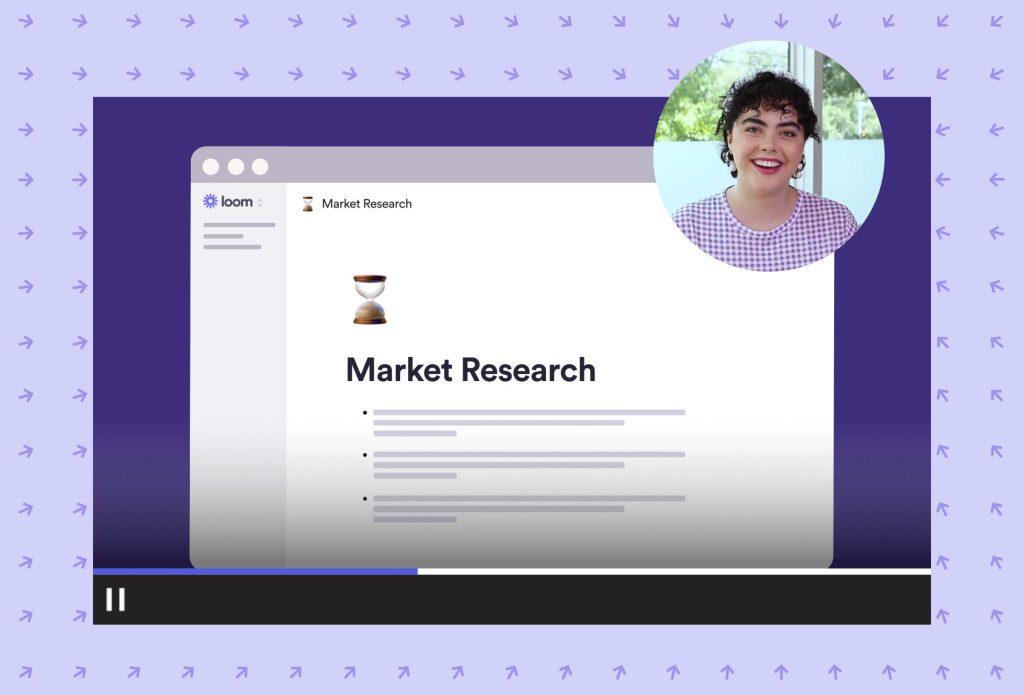
Asynchronous communication has emerged as the secret weapon of high-performing remote teams. Buffer’s research indicates that 50% of remote collaboration now happens asynchronously through messaging platforms and project management tools rather than real-time meetings. Loom revolutionizes async communication by replacing lengthy meetings with quick video messages—record your screen while explaining complex topics, allowing teammates to absorb information at their convenience while maintaining rich, personal communication. This approach respects different time zones and work rhythms while reducing the meeting overload that plagues many remote teams.
The boundary challenge between work and personal life intensifies in remote environments. Despite 81% of remote workers checking email outside traditional work hours, 78% report maintaining healthy work-life boundaries when following structured approaches. Implement a “shutdown ritual” that clearly marks the end of your workday: close all work applications, clear your physical workspace, review tomorrow’s priorities, and engage in a transition activity like a short walk or meditation. Use separate devices or user accounts for work and personal activities when possible. Apps like Freedom enforce these boundaries by blocking work-related websites during designated personal hours.
Team cohesion in distributed environments requires intentional cultivation beyond formal meetings. Virtual coffee breaks, online game sessions, and remote team lunches maintain the social connections crucial for collaboration and innovation. Donut randomly pairs team members for virtual conversations, preventing the relationship decay common in remote settings where people interact only during structured work activities. TeamBuilding.com offers structured virtual activities designed specifically for remote teams, from virtual escape rooms to collaborative cooking classes that build relationships while providing shared experiences.
Performance measurement in remote environments must evolve beyond time-based metrics to outcome-focused evaluation. Gallup’s finding that remote workers demonstrate 31% engagement compared to 23% for hybrid and 19% for on-site workers correlates with clear performance expectations and regular feedback cycles. Tools like 15Five facilitate continuous performance conversations through weekly check-ins, goal tracking, and peer recognition systems. Focus evaluation metrics on deliverables completed, quality standards met, and team collaboration effectiveness rather than hours logged or messages sent.
Technology infrastructure determines remote work success beyond basic internet connectivity. Invest in redundancy systems: a mobile hotspot provides backup connectivity during outages, preventing complete work disruption. Noise-canceling headphones from established brands like Bose or Sony ensure professional audio quality regardless of home environment disruptions. For those in consistently noisy environments, Krisp uses AI to remove background noise from both your microphone and incoming audio, creating professional sound quality even in challenging acoustic environments.
Cultural adaptation becomes crucial for global remote teams where different time zones, work styles, and communication preferences must harmonize. Western emphasis on punctuality and direct communication contrasts with relationship-focused approaches common in Latin American and Asian cultures. Schedule meetings that consider multiple time zones, rotating inconvenient times fairly among team members. Use tools like WorldTimeBuddy to visualize global team availability patterns. Provide recordings and detailed notes for those unable to attend synchronously, ensuring equal access to information regardless of geography.
The hybrid work model, with teams averaging 2.49 office days weekly, has emerged as the dominant pattern requiring intentional design. Success depends on strategic allocation of office days for high-value collaboration activities—brainstorming sessions, team building, strategic planning—while preserving remote days for focused individual work that benefits from minimal interruption. Microsoft Places and similar coordination tools help teams synchronize office presence, ensuring sufficient critical mass for meaningful in-person interactions.
Remote work mastery in 2024-2025 combines technological sophistication with human-centered practices that honor both productivity and well-being. The most successful remote professionals invest thoughtfully in their physical environment, master asynchronous communication techniques, maintain clear work-life boundaries, and build strong virtual relationships with colleagues. Organizations supporting these practices through policy and technology investment see dramatic improvements in employee retention, engagement, and productivity. The future isn’t about choosing between remote and office work—it’s about optimizing both environments for maximum human potential while respecting individual preferences and life circumstances.