Your phone buzzes. You glance at it reflexively. Twenty-three minutes later, you’re watching a video about productivity while ironically accomplishing nothing productive. The average knowledge worker checks email every 6-12 minutes and requires 23 minutes to fully refocus after each interruption. In this environment of infinite distraction, mastering focus isn’t just a competitive advantage—it’s professional survival.
The productivity world has been revolutionized by Cal Newport’s Deep Work philosophy, but the rigid time-blocking approach of the original framework has evolved into “Deep Work 2.0” that incorporates neuroscience insights and individual adaptation. Instead of forcing four-hour focus marathon sessions that leave you mentally exhausted, modern practitioners use flexible deep work that starts with manageable 25-minute sessions and progressively builds to longer periods based on task complexity and personal energy rhythms. This graduated approach makes deep focus accessible to anyone while building the concentration stamina that distinguishes exceptional professionals.
Environmental design plays a crucial role in focus cultivation, yet most professionals underestimate its impact. Maria, a financial analyst, struggled with concentration until she realized her cluttered desk was sabotaging her mental clarity. Studies demonstrate that even visual clutter reduces cognitive performance by 20%, as your brain expends energy processing irrelevant visual information. Create a dedicated workspace that signals “deep work mode” to your subconscious mind. Remove visual distractions, use warm lighting (2700-3000K) that maintains alertness without eye strain, and position your workspace to benefit from natural light while avoiding glare or outside movement that pulls attention.
Acoustic design deserves equal attention to visual optimization. Position your desk perpendicular to windows when possible, capturing natural light benefits while minimizing distracting outdoor activity. Invest in acoustic panels for hard-surfaced rooms, or use Brain.fm for scientifically designed focus music that enhances concentration through binaural beats and carefully crafted soundscapes. Unlike traditional music that can distract, Brain.fm’s compositions are specifically engineered to support sustained attention.
Technology becomes either your greatest enemy or most powerful ally in the focus battle, with no middle ground. Freedom blocks distracting websites and applications across all your devices during designated focus sessions, creating a digital environment optimized for concentration. Unlike simple browser extensions that can be easily disabled, Freedom operates at the system level and synchronizes across platforms, making digital cheating difficult even when willpower weakens. Cold Turkey offers a more aggressive free alternative with “Frozen Turkey” mode that cannot be disabled until the timer expires—perfect for those who struggle with digital self-control.

The neuroscience of flow states reveals specific triggers that facilitate deep focus, allowing you to engineer peak performance rather than waiting for inspiration. Clear goals provide your brain with explicit targets, eliminating the energy drain of constant decision-making about what to work on. Immediate feedback maintains engagement through progress indicators and completion signals. Challenge-skill balance ensures tasks are neither boring nor overwhelming, keeping you in the optimal zone of productive struggle. Apps like Focusmate leverage social accountability by pairing you with virtual coworking partners for 50-minute focus sessions, creating gentle peer pressure that dramatically improves focus persistence.
Attention restoration between focus sessions proves as important as the focused work itself, yet most professionals neglect this crucial element. Your brain’s focusing networks require recovery periods to maintain peak performance throughout extended work sessions. Attention Restoration Theory suggests that natural environments provide the most effective cognitive recovery—even five minutes of greenspace exposure measurably improves subsequent focus capacity. Take walking breaks outdoors when possible, or use apps like Portal that bring natural scenes and sounds to your workspace environment.
Time-boxing variations have evolved far beyond the traditional 25-minute Pomodoro Technique to accommodate different work styles and task requirements. The Flowtime Technique allows natural work rhythms by starting a timer when beginning focused work but continuing when feeling engaged, breaking only at natural stopping points. The Third-Time Technique divides focus time by three for break duration (90 minutes focus = 30 minute break), aligning with ultradian biological rhythms. Timeboxing apps like Toggl Track support these flexible approaches while maintaining time awareness that prevents either burnout or procrastination.
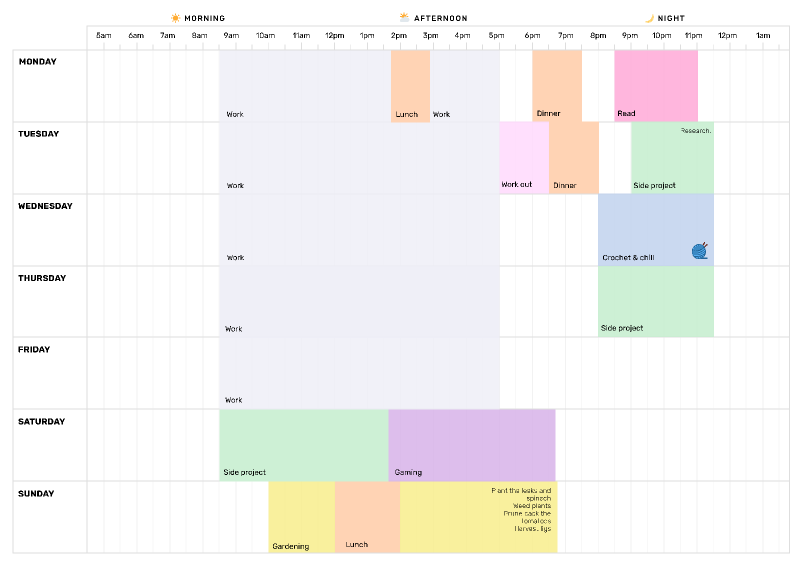
Corporate environments increasingly recognize focus as a competitive advantage worth protecting. Companies implement “Focus Fridays” or “Meeting-Free Mornings” to safeguard deep work time for their most valuable contributors. Clockwise automatically creates and defends focus time blocks for entire teams, using AI to reorganize calendars around protected work periods. This tool has helped organizations increase average focus time by 11 hours per week per employee—a massive productivity gain that compounds over time.
The hidden cost of task-switching extends far beyond time loss into cognitive quality degradation. Each context switch depletes glucose in your brain, reducing decision-making quality and increasing error rates throughout the day. Combat this through strategic task batching: process all emails in designated blocks rather than responding reactively throughout the day, handle administrative tasks in concentrated sessions, and group creative work during your freshest mental periods. This approach preserves cognitive resources for truly important work.
Notification design requires ruthless strategic thinking about what deserves immediate attention versus what can wait. Disable all non-essential notifications since studies show that even seeing a notification icon reduces performance by 40% for several minutes afterward. For essential communications, create VIP lists that limit interruptions to truly critical contacts. Set specific times for checking messages rather than responding reactively to every ping. Tools like Twist promote asynchronous communication that reduces the expectation of immediate responses while maintaining rich conversation threading.
Building focus capacity resembles physical training more than skill acquisition—you start with manageable challenges, progressively increase intensity, and maintain consistency over time. Begin with one 25-minute deep focus session daily, adding five minutes weekly until reaching your optimal session length. Track your progress using apps like Forest, which gamifies focus by growing virtual trees during distraction-free periods, creating visual progress indicators that reinforce positive habits.
Most professionals can develop 2-4 hour focus capacity within 90 days of consistent practice when they approach concentration training systematically. The compound effect of improved focus—better work quality, faster completion times, reduced stress—makes this investment among the most valuable you can make for your professional development. Remember that building unstoppable focus isn’t about perfection; it’s about progress. Missing a focus session doesn’t break your streak—it provides data for system refinement and self-compassion that supports long-term success.