The alarm screams at 6 AM, and you roll out of bed already dreading the day ahead. By 10 AM, you’ve checked email seventeen times, attended two meetings that could have been emails, and somehow feel more exhausted than when you woke up. Sound familiar? You’re not alone, and more importantly, you’re approaching productivity all wrong.
Traditional time management treats all hours as equal—a fundamental flaw that sabotages even the most well-intentioned professionals. Research from Harvard Business Review reveals that professionals who manage their energy rather than their time report feeling in control 42% of the time, compared to just 31% for traditional time managers. This isn’t about squeezing more tasks into your calendar; it’s about revolutionizing when and how you tackle your most important work.
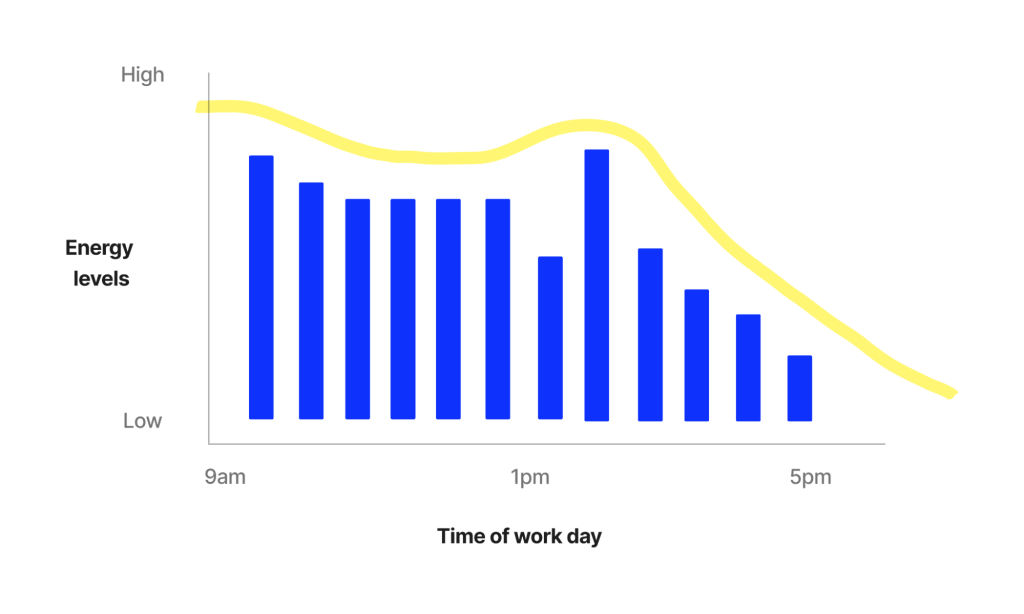
Sarah, a marketing director at a Fortune 500 company, discovered this truth the hard way. For years, she forced herself through grueling 10-hour days, believing that more time automatically meant more productivity. She’d schedule her most challenging strategic work for whenever her calendar had gaps, often finding herself analyzing complex market data at 3 PM when her brain felt like molasses. Everything changed when she began tracking her energy patterns and discovered she had two natural peak periods: 9-11 AM and 6-8 PM. By protecting these windows for her highest-impact work and relegating routine tasks to her energy valleys, her output quality improved dramatically while her work hours decreased.
The science behind energy management rests on four foundational pillars: physical, emotional, mental, and spiritual energy. Physical energy flows from sleep quality, nutrition timing, and movement patterns. It’s why you feel sluggish after a heavy lunch or energized after a brief walk. Emotional energy emerges from positive relationships, meaningful work, and psychological safety. Mental energy requires focused attention and strategic recovery periods. Spiritual energy comes from alignment with your values and sense of purpose. When these four energy sources work in harmony, you achieve what productivity experts call “sustainable high performance.”

Understanding your personal energy architecture begins with a simple two-week audit. Every hour, rate your energy level on a 1-10 scale and note what activities preceded that rating. Most professionals discover patterns they never noticed: the post-lunch crash that could be prevented with a lighter meal, the burst of creativity that arrives during their evening commute, or the mental fog that lifts after a short walk. David, a software architect, realized his problem-solving abilities peaked between 10 PM and midnight—completely outside traditional business hours. By negotiating flexible hours with his employer and protecting his evening peak for complex coding challenges, his debugging speed increased by 400%.
The tools for energy tracking have evolved far beyond simple journaling. Rise, a circadian rhythm app, analyzes your sleep patterns to predict daily energy peaks with scientific precision. The Oura Ring provides comprehensive biometric data including heart rate variability, a key indicator of physical and mental readiness. For those preferring simpler approaches, Welltory analyzes smartphone data to provide energy insights without additional hardware. These tools transform energy management from guesswork into data-driven optimization.
Modern workplaces are beginning to embrace energy-aware scheduling. Microsoft and Google now offer “energy management training” alongside traditional time management courses, teaching employees to recognize their natural rhythms and design personalized work schedules. Teams implementing energy-aware practices report 52% productivity increases and significantly reduced burnout rates. The most progressive companies allow flexible scheduling based on individual energy patterns rather than rigid 9-to-5 expectations.
Recovery protocols prove equally crucial for sustained performance. Unlike machines, human energy operates cyclically, requiring strategic restoration between intense work periods. The 90-minute ultradian rhythm suggests working in focused sprints followed by 15-20 minute recovery breaks. During these breaks, activities that restore different energy types become essential: a walk outdoors for physical renewal, a meaningful conversation for emotional connection, meditation for mental clarity, or reviewing your goals for spiritual alignment.
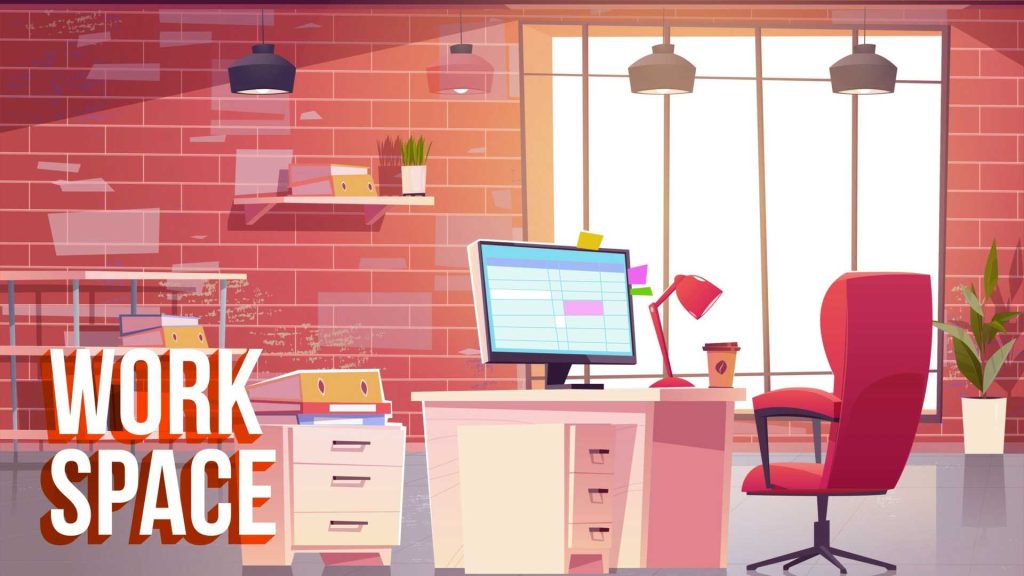
The workspace itself plays a vital role in energy optimization. Natural light exposure during morning hours helps maintain circadian alignment—positioning your desk near a window isn’t just pleasant, it’s productivity science. Standing desk converters allow position changes that boost physical energy throughout the day. Noise-canceling headphones create focused environments during deep work periods. Even small environmental adjustments compound into significant energy gains: plants improve air quality, optimal temperature control prevents energy drain from thermal regulation, and ergonomic seating reduces the physical fatigue that clouds mental performance.
Integration with existing productivity systems enhances energy management effectiveness. Popular project management tools like Asana and Monday.com now include energy-aware scheduling features, allowing you to assign energy levels to different tasks. Motion takes this further, using AI to automatically schedule tasks based on your historical energy patterns and current priorities. These tools transform energy management from abstract theory into practical daily systems.
The transition from time to energy management requires patience and experimentation, but the results speak for themselves. Rachel, a financial analyst, began by identifying one high-energy period daily and protecting it for her most complex financial modeling. Within a month, she completed her quarterly reports in half the time while catching errors she previously missed. The key lies not in maximizing time spent working, but in optimizing the energy brought to each task.
Start small: identify your next natural energy peak and guard it fiercely for your most important work. Notice how this single change affects not just your productivity, but your satisfaction with the work itself. Energy management isn’t about working harder or even working smarter—it’s about working in harmony with your natural rhythms to create sustainable excellence that enhances both performance and well-being.